 3
3
 5
5
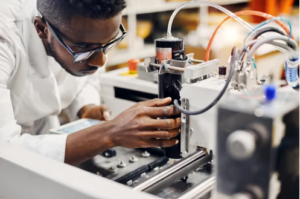
Engineering has always been the backbone of human progress, but in recent years, innovation has accelerated at an unprecedented pace. Breakthroughs in engineering are transforming how we live, work, communicate, travel, and protect our planet. From clean energy solutions to artificial intelligence and advanced materials, modern engineering innovations are solving global challenges and shaping a smarter, more sustainable future.
This article explores 10 engineering innovations that are changing the world, highlighting their impact across industries and everyday life.
1. Artificial Intelligence and Machine Learning Systems
Artificial Intelligence (AI) is one of the most influential engineering innovations of the 21st century. Engineers have developed systems that can learn, adapt, and make decisions with minimal human intervention.
Why AI Is Transformative
- Automates complex tasks across industries
- Improves medical diagnosis and drug discovery
- Enhances manufacturing efficiency through predictive maintenance
- Powers smart assistants, recommendation engines, and autonomous systems
AI-driven engineering is redefining productivity, accuracy, and innovation at a global scale.
2. Renewable Energy Technologies
Renewable energy engineering is reshaping the global power landscape. Advances in solar, wind, hydro, and geothermal technologies are reducing dependence on fossil fuels.
Key Innovations in Renewable Energy
- High-efficiency solar panels
- Offshore and floating wind turbines
- Smart energy storage systems
- Grid-scale battery technologies
These innovations are crucial in combating climate change and promoting sustainable development worldwide.
3. Electric Vehicles and Advanced Battery Engineering
Electric vehicle (EV) engineering has transformed transportation. Improvements in battery design, charging infrastructure, and power electronics are making EVs more accessible and efficient.
Impact of EV Engineering
- Reduced carbon emissions
- Lower operating and maintenance costs
- Improved energy efficiency
- Growth of fast-charging networks
Advanced lithium-ion and solid-state batteries are accelerating the global shift toward clean transportation.
4. Smart Cities and Intelligent Infrastructure
Engineering innovations are turning cities into interconnected, intelligent systems. Smart city technologies integrate data, sensors, and automation to improve urban living.
Smart City Engineering Solutions
- Intelligent traffic management systems
- Smart street lighting and energy grids
- Waste management automation
- Real-time environmental monitoring
These innovations enhance efficiency, safety, and sustainability in rapidly growing urban environments.
5. 3D Printing and Additive Manufacturing
Additive manufacturing has revolutionized how products are designed and built. Engineers can now create complex structures layer by layer with minimal material waste.
Benefits of 3D Printing Technology
- Rapid prototyping and product development
- Custom medical implants and prosthetics
- Reduced manufacturing costs
- Lightweight aerospace and automotive components
3D printing enables faster innovation and localized production across industries.
6. Robotics and Automation Systems
Robotics engineering is transforming industries by increasing precision, speed, and safety. Modern robots can perform tasks once considered too complex or dangerous for machines.
Where Robotics Is Making an Impact
- Manufacturing and assembly lines
- Healthcare and robotic surgery
- Agriculture and food production
- Disaster response and exploration
Collaborative robots (cobots) are now working alongside humans, improving productivity without replacing human expertise.
7. Internet of Things (IoT) Engineering
The Internet of Things connects everyday devices to the internet, enabling data-driven decision-making and automation.
Applications of IoT Engineering
- Smart homes and appliances
- Industrial monitoring and control
- Healthcare wearables and remote patient monitoring
- Supply chain and logistics optimization
IoT systems are making environments more responsive, efficient, and intelligent.
8. Advanced Materials and Nanotechnology
Material science engineering has unlocked materials with extraordinary properties, transforming product design and performance.
Breakthroughs in Advanced Materials
- Graphene and carbon nanotubes
- Self-healing materials
- Lightweight composites
- Nanomaterials for medicine and electronics
These innovations enable stronger, lighter, and more durable products across engineering disciplines.
9. Biotechnology and Biomedical Engineering
Engineering innovations in biotechnology are revolutionizing healthcare, agriculture, and pharmaceuticals.
Key Biomedical Engineering Advances
- Artificial organs and tissue engineering
- Gene editing technologies
- Medical imaging and diagnostic tools
- Wearable health monitoring devices
These breakthroughs improve healthcare outcomes and extend human life expectancy.
10. Space Engineering and Satellite Technology
Space engineering is no longer limited to government agencies. Advances in aerospace engineering have made space exploration more accessible and commercially viable.
Transformative Space Engineering Innovations
- Reusable rockets
- Satellite-based global internet
- Earth observation systems
- Space exploration robotics
Satellite technology supports communication, navigation, weather forecasting, and disaster management worldwide.
Why Engineering Innovations Matter More Than Ever
Engineering innovations drive economic growth, improve quality of life, and provide solutions to global challenges such as climate change, healthcare access, and urbanization. Engineers combine creativity, science, and technology to turn ideas into real-world solutions that benefit society.
The Future of Engineering Innovation
Looking ahead, engineering will play a critical role in:
- Sustainable infrastructure development
- Climate-resilient technologies
- Human–machine collaboration
- Ethical and responsible AI systems
As technology evolves, engineers will continue shaping a future that is smarter, greener, and more connected.
Final Thoughts
The 10 engineering innovations changing the world highlighted in this article demonstrate how engineering continues to redefine what is possible. From AI and renewable energy to robotics and space technology, these breakthroughs are not just shaping industries—they are shaping humanity’s future.


Average Rating